
WordPress makes it very easy to publish content, even if you are a complete beginner. Whether you are running a blog, business website, or news portal, posts are the core way to share updates, articles, and announcements.
In this detailed guide, you’ll learn how to add a WordPress post step by step, including how to add content, featured images, categories, tags, and custom URLs.
If you are looking for how to add a WordPress page, We have a complete guide how to add a WordPress page.
Step 1: Log in to Your WordPress Dashboard
To add a post in WordPress, first log in to your WordPress admin panel.
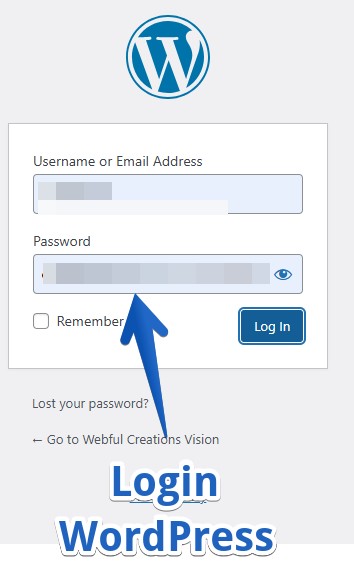
- Open your browser and go to:
yourwebsite.com/wp-admin - Enter your username and password
- Click Log In
Once logged in, you’ll see the WordPress Dashboard.
Step 2: Go to Posts → Add New
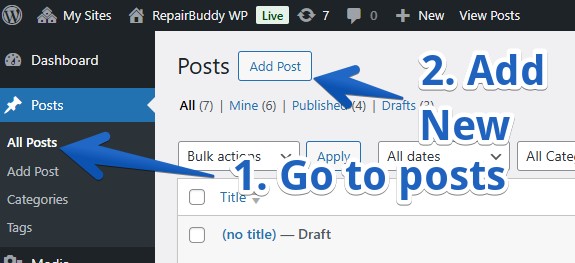
On the extreme left sidebar of the WordPress admin area:
- Click on Posts
- Select Add New
This will open the WordPress Post Editor (Gutenberg editor by default).
Step 3: Add a Title and Content
Add Post Title
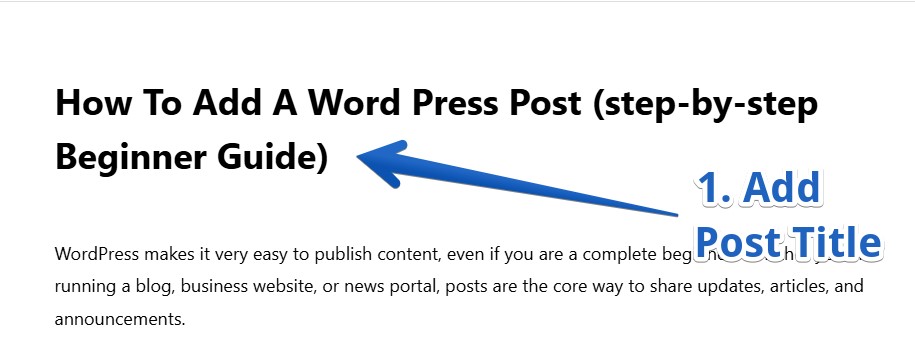
At the top of the editor, you’ll see a field that says “Add title”.
• Enter a clear and meaningful title for your post • Keep it short and SEO-friendly
Example:
How to Add a WordPress Post
Add Post Content
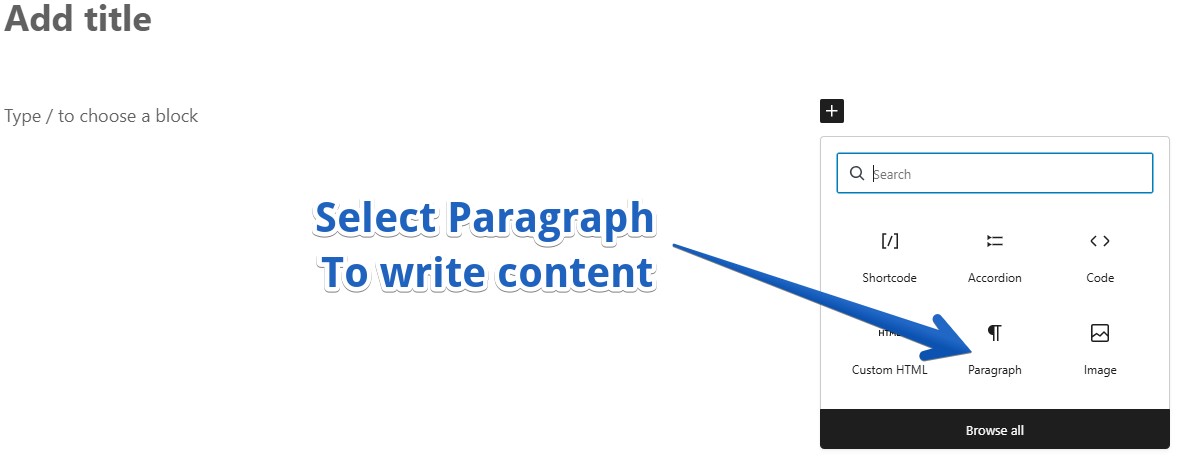
Below the title is the content editor area.
Here you can:
- Write text
- Add images
- Insert headings (H2, H3)
- Add lists, links, videos, and buttons
Each paragraph is added as a block, making it easy to manage and style your content.
Step 4: Adding a Featured Image in WordPress Post
A featured image represents your post visually and is often shown on blog pages, archives, and social media.
How to Set a Featured Image
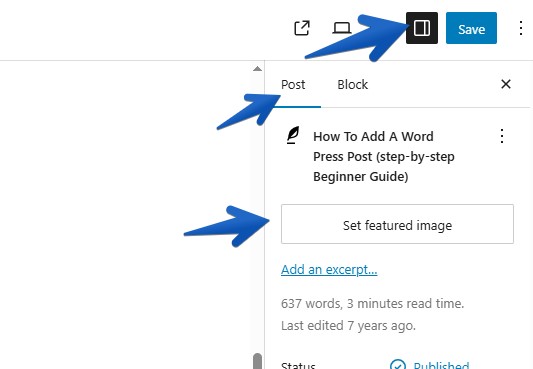
- Look at the right-hand side panel in the post editor
- Click on Post tab (if not already selected)
- Scroll down to Featured Image
- Click Set Featured Image
- Upload an image or select one from Media Library
- Click Set featured image
✅ Tip: Use optimized images for faster loading and better SEO.
Step 5: Selecting Category in WordPress Post
Categories help organize your posts and tell visitors what the post is about at a glance.
How to Assign a Category
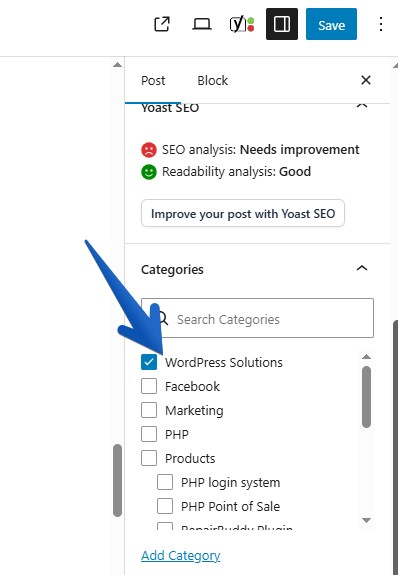
- On the right side of the editor, find the Categories section
- Check the relevant category
- If needed, click Add New Category to create one
Editing or Moving a Post to Another Category
You can move a post from one category to another:
- Go to Posts → All Posts
- Hover over the post you want to edit
- Click Quick Edit
- Select or unselect categories
- Click Update
Step 6: Adding Tags in WordPress Post
Tags are more specific than categories and describe the post in detail.
How to Add Tags
- Scroll to the Tags section (bottom-right of editor)
- Type relevant keywords
- Separate multiple tags using commas
- Click Add (if required)
Example Tags:
wordpress, wordpress tutorial, add post
You can assign multiple tags to a single post.
Step 7: Edit URL / Change Permalink
WordPress allows you to customize your post URL for better readability and SEO.
How to Edit Permalink
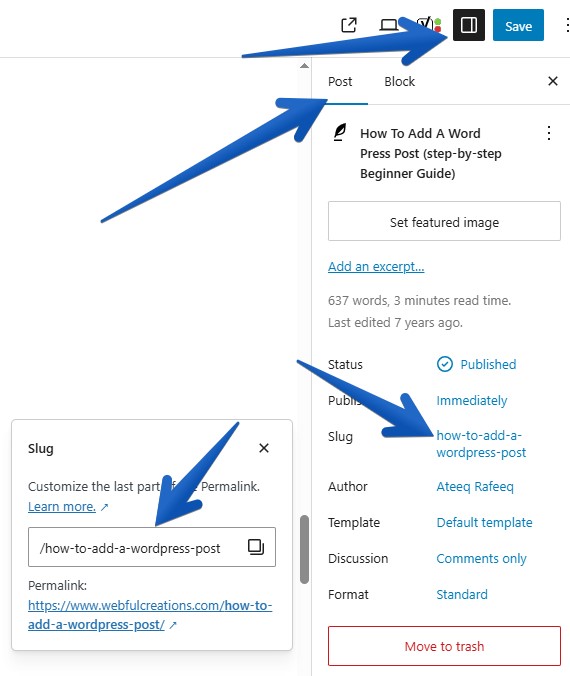
- Click on the post title or open Settings → Permalink in the editor
- Click Edit next to the URL
- Enter a custom, keyword-rich slug
If you haven’t yet set the SEO friendly permalinks in WordPress check it out. In case your website’s permalinks aren’t working you may need to check how to reset WordPress permalinks
Example:
yourwebsite.com/how-to-add-wordpress-post
Avoid long URLs and unnecessary words.
Step 8: Preview and Publish Your Post
Before publishing:
- Click Preview to check how your post looks
- Review formatting, images, and links
Publish the Post
- Click Publish (top-right corner)
- Confirm by clicking Publish again
🎉 Your WordPress post is now live!
Gutenberg vs Classic Editor (Quick Comparison)
| Feature | Gutenberg Editor | Classic Editor |
|---|---|---|
| Block‑based editing | Yes | No |
| Drag & drop elements | Yes | Limited |
| Beginner friendly | Yes | Moderate |
| Future support | Recommended | Legacy |
Final Thoughts
Adding a post in WordPress is simple once you understand the editor. By properly using featured images, categories, tags, and SEO-friendly URLs, you can create professional and well-structured content.
If you regularly publish content, following these steps will help improve user experience and search engine visibility.
